Old Wildlife Club Real Estate Guide for Lake James Buyers
May 28, 2026
May 28, 2026
Wondering whether Old Wildlife Club is the right fit for your Lake James purchase? If you are drawn to privacy, custom homes, wooded surroundings, and a more structured lake community experience, this neighborhood deserves a closer look. This guide will help you understand how Old Wildlife Club works, what to verify before you buy, and where buyers often need deeper due diligence. Let’s dive in.
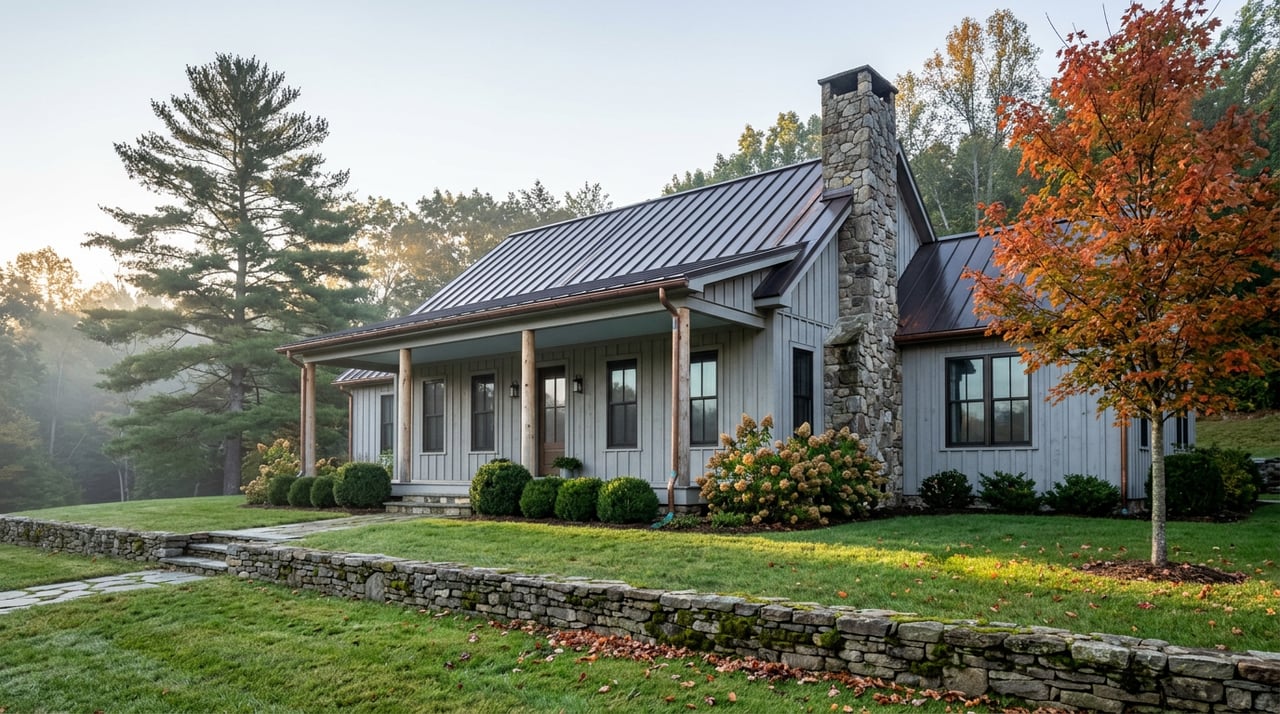
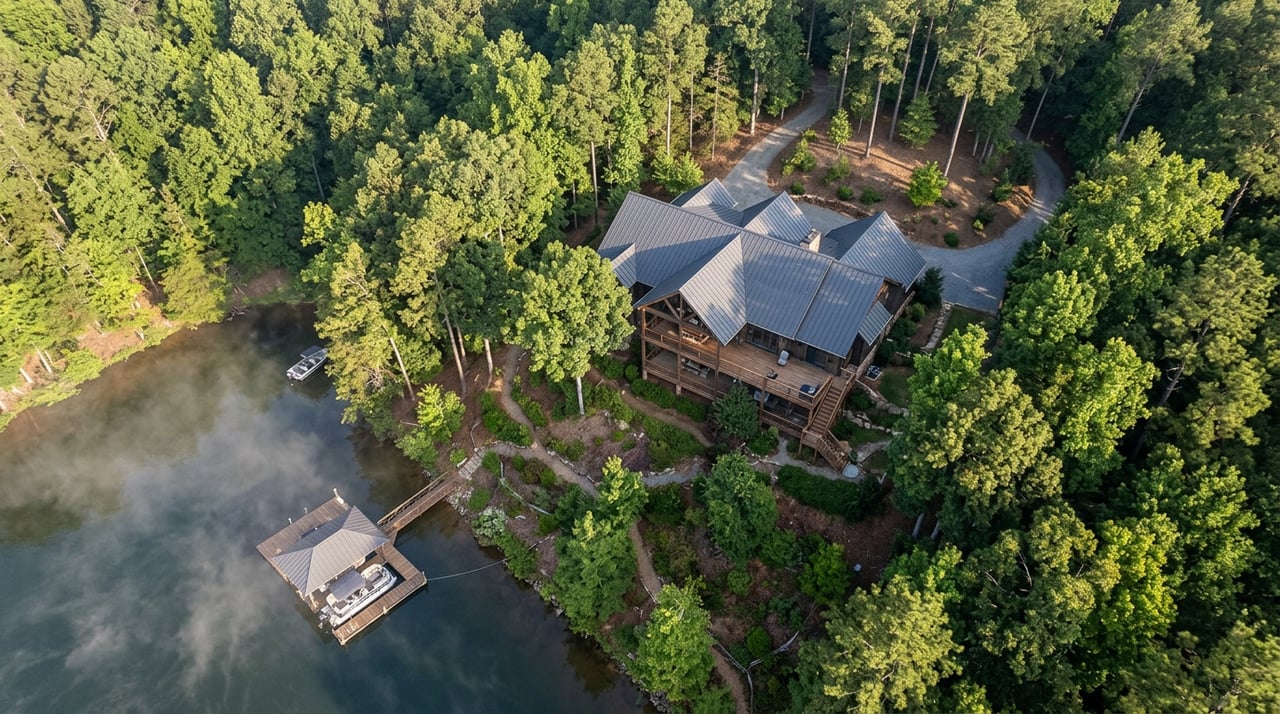
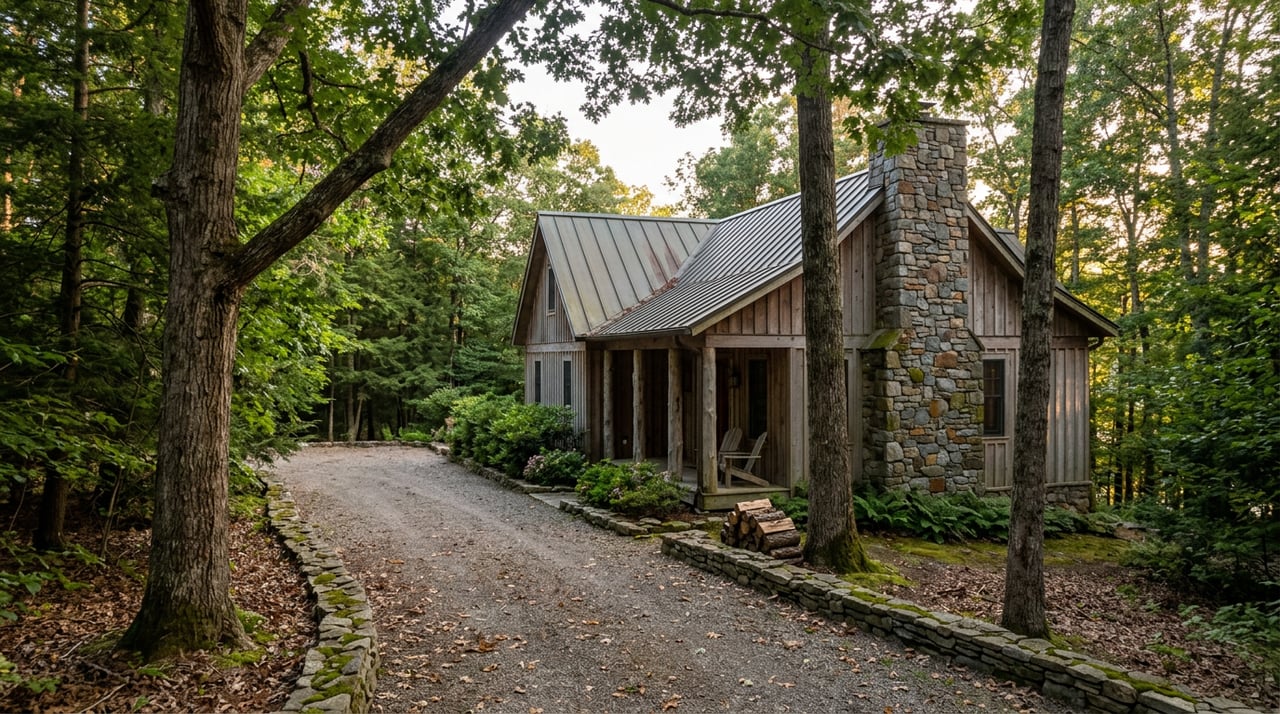
Old Wildlife Club is a Lake James community in Nebo in McDowell County, and its official design documents make the vision clear: the land comes first. Homes, roads, and improvements are intended to sit within the landscape rather than overpower it, with tree canopy and natural contours preserved as much as possible.
That creates a different feel than a typical subdivision. Instead of wide-open clearing and standardized home placement, you can expect a more wooded, tucked-away setting with custom architecture and tighter site planning rules. If you want a retreat-like atmosphere, that is part of the appeal.
The design standards reinforce that character throughout the neighborhood. Driveways are meant to use previously disturbed areas when possible, exterior lighting should stay low and shielded, and site plans are expected to minimize clearing and disturbance.
A big part of the Old Wildlife Club lifestyle is Camp Lake James, the private member-owned club associated with Old Wildlife Club and 1780. The club was established in 2008 and describes itself as being about 45 minutes east of Asheville and about 1.5 hours west of Charlotte.
According to club materials, owners of homes or homesites in Old Wildlife Club are welcomed into resort-style amenities. Current club and listing references mention access to a pool, social hall or canteen space, kayaking and canoeing, fitness facilities, tennis and pickleball, and gathering areas for social events.
That said, buyers should not assume every form of access works the same way for every property. The club notes that recreational licenses are limited and currently waitlisted, so it is important to verify exactly what transfers, what requires a separate process, and what costs apply before you move forward.
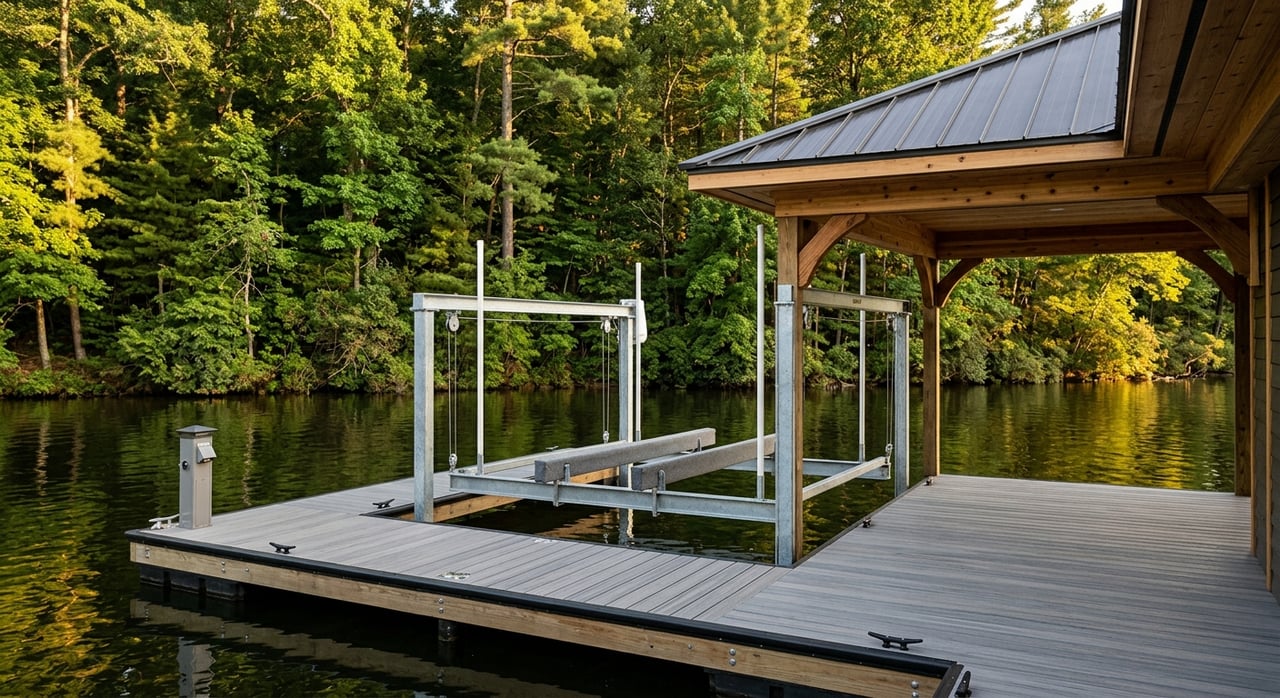
This is one of the most important parts of buying in Old Wildlife Club. Listing language suggests that water access rights can vary by parcel, rather than being identical across the neighborhood.
Some properties mention a deeded boat slip. Others refer to a community slip or year-round on-water storage. Some listings highlight Camp Lake James membership but do not suggest the same slip arrangement.
In practical terms, that means you should verify the exact rights attached to the specific home or lot you are considering. Do not rely on neighborhood reputation alone when the details of your lake access may affect both your lifestyle and long-term property value.
Old Wildlife Club appears to offer a broad range of property types. Current listing snapshots include homesites a little over 2 acres, custom homes on multi-acre parcels, and larger estate-style tracts approaching 9 acres.
Price signals also vary. Research notes show current listings ranging from $989,000 for a new-construction home on 3.38 acres to $1.15 million for a 2.07-acre homesite with a 921-square-foot living area, while an older sale record in the neighborhood shows a 3,330-square-foot home that sold for $3.03 million in 2023.
That range matters because Old Wildlife Club is not a one-note market. You may find an entry point through land, a newer custom home, or a larger estate-like property, but each option comes with different due diligence questions around buildability, utilities, amenities, and water access.
Old Wildlife Club is best understood as a nature-preserving club community with formal oversight, not a loose neighborhood with minimal rules. For many buyers, that is a positive because it helps protect the wooded character and architectural consistency of the area.
Still, the process is more involved than in many standard communities. If you are buying a homesite or planning changes to an existing property, you will need to understand design review, lot constraints, and shoreline rules before you commit.
For the right buyer, that structure can help protect the setting you are paying for. For the wrong buyer, it can feel restrictive. The key is knowing which camp you are in before you write an offer.
Old Wildlife Club uses a formal Habitat Review Board, often called the HRB, for property improvements and construction review. Official forms show a sequence that includes preliminary design approval, final design approval, a preconstruction meeting, a construction permit phase, and eventually a deposit refund step.
The posted fees include $250 for preliminary design review, $550 for final design review, and $150 for the preconstruction meeting. There is also a standard $5,000 construction deposit, with separate review fees for smaller projects such as sheds, view corridors, shoreline stabilization, or docks.
If you are buying land with plans to build, this process should be part of your budgeting and timeline from day one. It is not just about whether a home fits on the lot. It is about whether the plan fits the community’s standards and approval path.
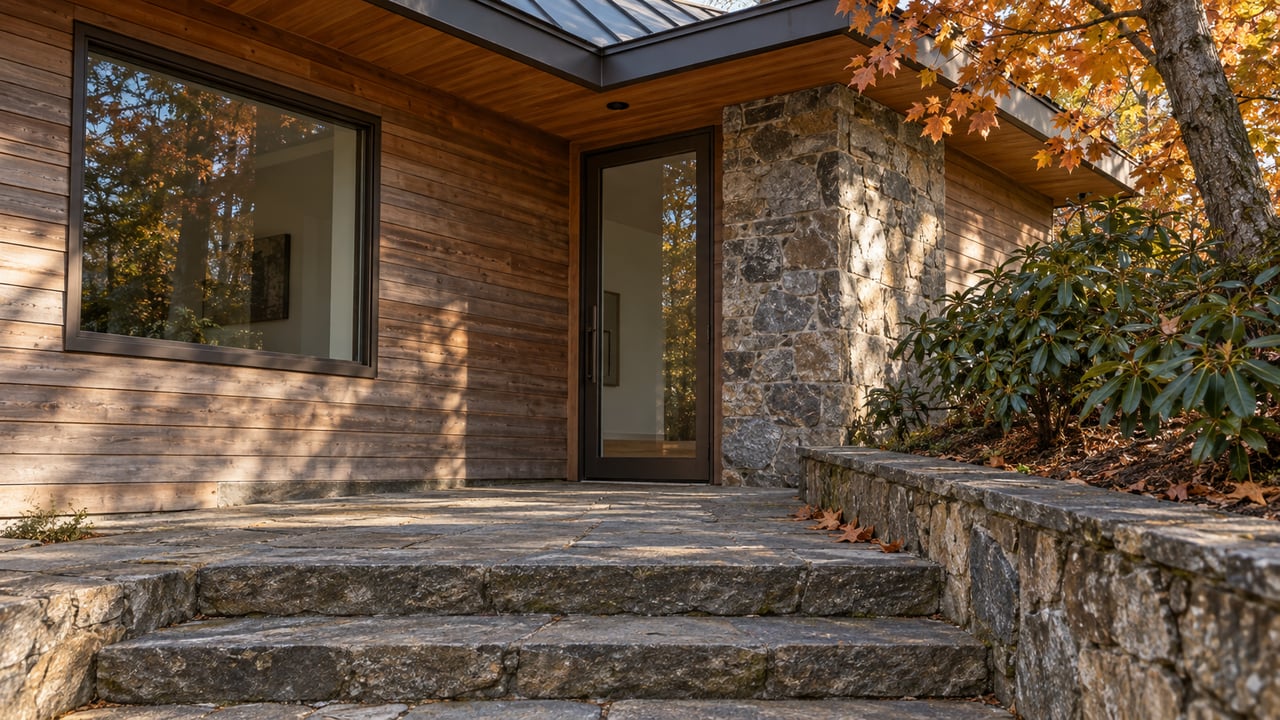
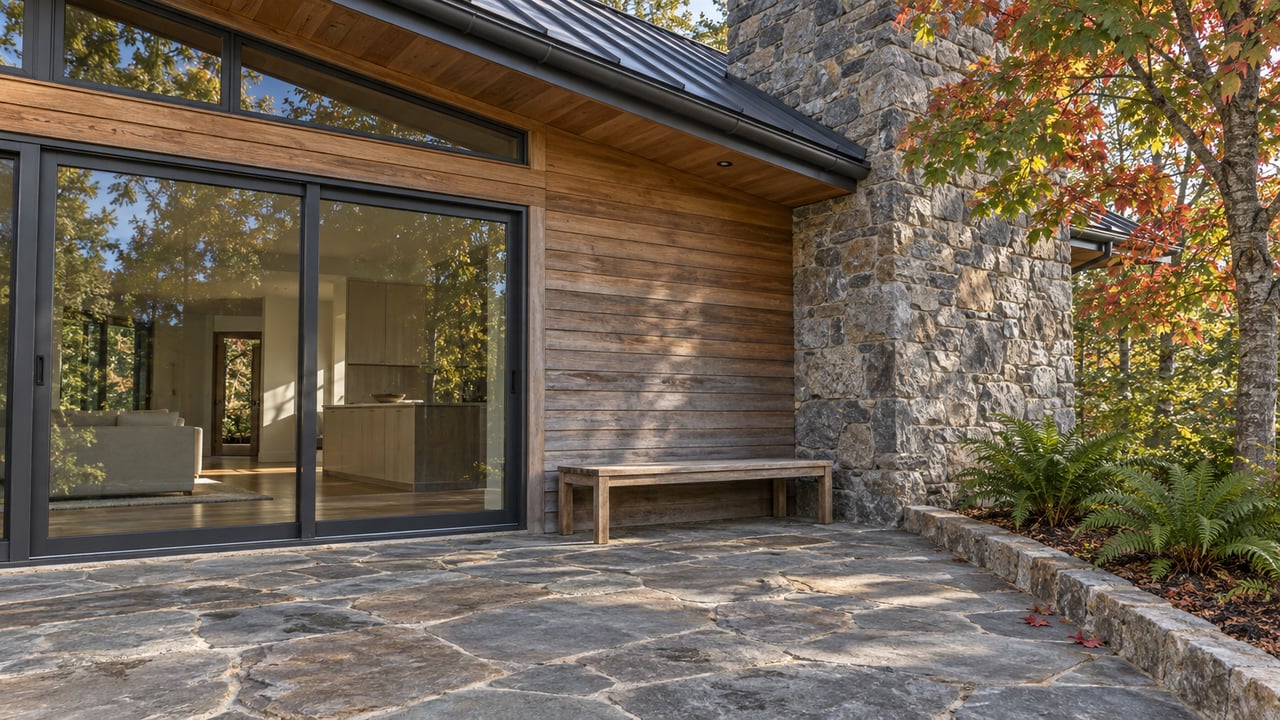
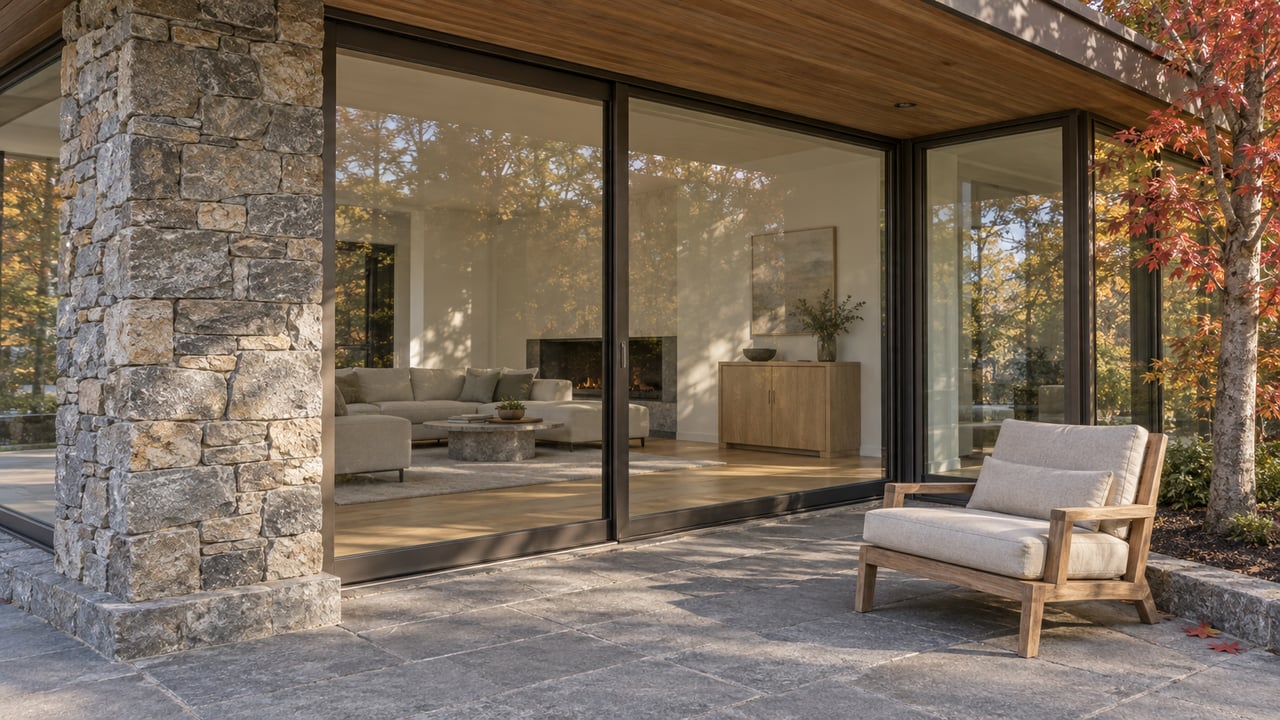
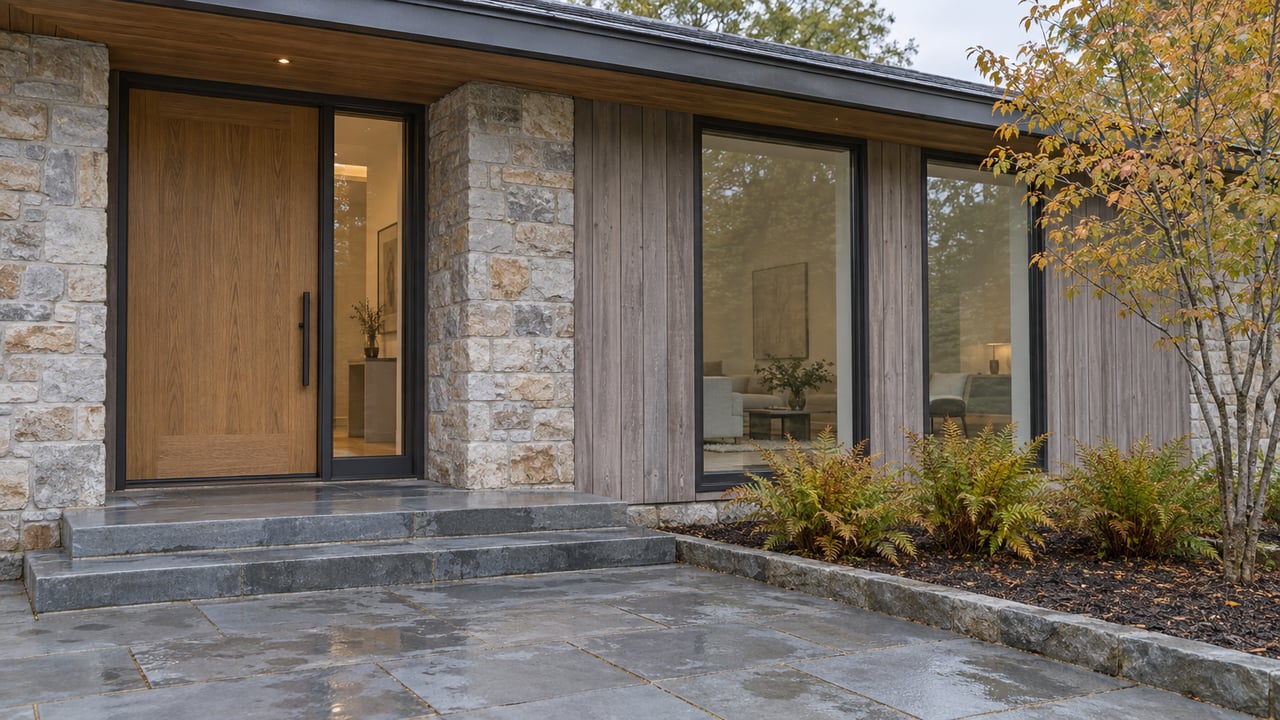
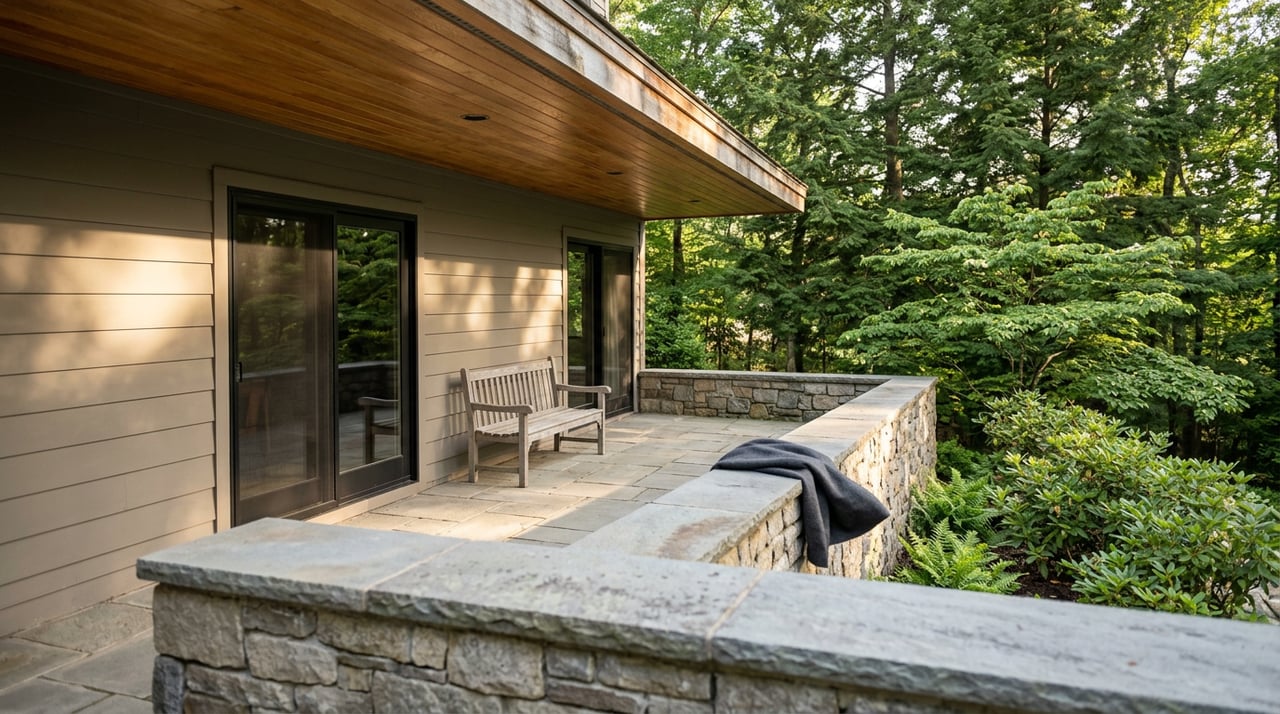
The neighborhood guidelines are more restrictive than what many buyers expect in a typical subdivision. The rules prohibit vinyl siding, limit reflective finishes, and favor materials such as native stone and textured exterior surfaces.
There are also lot coverage limits and placement requirements. Impervious surface area is capped at 24% of lot size, there is a 30-foot street setback, and many lots have a recorded Required Building Envelope that can further narrow where improvements may go.
These details matter most when you are comparing one homesite to another. A lot may look large on paper, but the usable building area can be meaningfully smaller once setbacks, slope, viewshed constraints, and the building envelope are considered.
If you are focusing on a waterfront or near-water parcel, pay special attention to shoreline restrictions. The guidelines say that most shoreline is within a 100-foot protected lake buffer, while some lots have a 75-foot buffer.
Within that protected area, structures, septic systems, and lawn areas are not allowed. Unauthorized work can trigger fines, and projects such as docks or shoreline stabilization generally require approvals from Duke Energy Lake Services, McDowell County, and the HRB.
This is one area where local due diligence is essential. If your dream is a dock, shoreline improvements, or a more open backyard by the water, you need to confirm what is actually allowed on that specific parcel before you move ahead.
In mountain and lake markets, a lot’s shape and slope often matter more than its raw acreage. Old Wildlife Club’s guidelines say slopes of 35% or more are unsuitable for construction, and building size limits can vary by lot type.
Critical viewshed lots may have tighter limits than non-critical lots. That means two homesites with similar acreage can have very different building potential depending on slope, buffer areas, and the specific classification of the lot.
If you are buying land, ask early whether the parcel is truly build-ready. Septic feasibility, grading complexity, clearing limits, and the practical location of the home site all deserve review before you spend money on design.
Utility service in Old Wildlife Club appears to vary by property. One listing notes county water is available with a tap fee required and septic needed, while another says public water and fiber internet are available, with septic still needed.
That is a strong reminder not to make assumptions based on a nearby home or another listing in the same community. Before making an offer, confirm the exact water source, whether a tap fee applies, what septic documentation exists, and whether internet availability meets your needs.
This is especially important if you are buying a lot rather than an existing home. Utility uncertainty can affect both your budget and your build timeline.
Even beyond neighborhood amenities, Old Wildlife Club owners are close to a wider range of outdoor recreation. Lake James State Park offers boating, swimming, fishing, hiking, biking, camping, picnic areas, and boat ramps.
The park places Lake James in Burke and McDowell counties, about 50 miles northeast of Asheville. The state park also notes that day use is free, except for boat rentals and swim passes.
That broader access adds to the appeal of owning in this part of the market. Your lifestyle here is not limited to what happens inside the gates or within the club.
Before you move forward on an Old Wildlife Club property, make sure you have clear answers to the most important parcel-specific questions:
Clear answers to these questions can save you time, money, and frustration. They also help you compare properties more accurately in a community where not every parcel offers the same package.
Old Wildlife Club tends to fit buyers who want privacy, wooded surroundings, custom-home character, and a more intentional neighborhood design. It can be a strong match if you value a preserved natural setting and appreciate a community that uses formal rules to protect that setting.
It may be less appealing if you want a simple, lightly regulated purchase with fewer design and construction guardrails. The structure here is part of the product, and understanding that upfront helps you buy with confidence.
If you are considering Old Wildlife Club, local guidance matters. A property that looks straightforward online may come with parcel-specific lake access, utility, topography, or approval issues that only show up once you dig into the details. If you want help sorting through those details and finding the right fit at Lake James, connect with Matt Buchanan.
Stay up to date on the latest real estate trends.
Trust him for expert real estate service in Lake James. With his strong local insight, proven sales record, and dedication to your needs, he makes buying or selling a smooth and rewarding experience.